
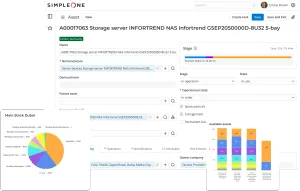
Discover how IT asset management software reduces costs and risks. Key features, implementation tips, and trends for modern IT teams optimizing infrastructure.
Managing hardware and software licenses manually is increasingly risky for modern enterprises. Shadow IT, lost devices, and expired contracts increase security threats and financial waste. An it asset management software solution centralizes control over the entire technology landscape. It tracks every device from the initial purchase request to final disposal. This ensures regulatory compliance and maximizes ROI on technology investments. Without such systems, organizations struggle to maintain visibility over their digital ecosystem.
What Defines Modern Asset Management Tools
These platforms automate the tracking of physical and digital assets across the organization. Unlike static spreadsheets, they offer real-time visibility into the status of every item. The system records purchase dates, warranty status, depreciation, and user assignments automatically. It covers laptops, servers, mobile devices, peripherals, and software licenses. This comprehensive view prevents overspending on unused tools or redundant purchases. By maintaining a single source of truth, IT leaders can make data-driven decisions regarding infrastructure upgrades and budget allocation for the upcoming fiscal year.
Financial Benefits and Cost Control Strategies
The primary driver for adoption is significant cost reduction and budget optimization. Organizations often pay for software subscriptions they do not actively use. Automated tracking identifies underutilized licenses for reclamation or reallocation to other departments. It also prevents heavy penalty fees during external vendor audits. By extending hardware lifecycles through better maintenance tracking and timely repairs, companies reduce capital expenditure. This direct impact on the bottom line justifies the implementation cost quickly. Furthermore, accurate forecasting prevents emergency spending on rushed hardware replacements during critical failures.
Essential Features for IT Teams to Consider
Selecting the right tool requires checking specific capabilities aligned with business needs. Automated discovery scans the network to find all connected devices without manual input. Contract management modules store vendor agreements and alert teams about renewal dates. Integration with help desk systems links assets to incidents for faster troubleshooting. Reporting dashboards provide insights into depreciation, total cost of ownership, and compliance status. These features reduce manual workload for administrators and minimize human error. Cloud accessibility ensures that remote teams can update asset information from anywhere globally.
Implementation Strategies for Long-Term Success
Deployment requires careful planning to avoid data errors and system resistance. Start with a complete physical inventory audit to establish a baseline. Cleanse existing data before importing it into the new system to ensure accuracy. Define clear processes for checking devices in and out of the inventory pool. Train staff on the importance of accurate logging and policy adherence. A phased approach allows teams to adjust without disrupting daily operations. Consistency is key to maintaining data integrity over time. Regular audits should be scheduled to verify system data against physical reality.
Future Trends in Asset Tracking Technology
The market is evolving towards intelligence, automation, and deeper integration. AI predicts hardware failures before they happen, enabling proactive maintenance. Cloud-based solutions offer scalability for growing remote workforces and hybrid models. Integration with IoT devices allows tracking of non-traditional assets like smart office equipment. Security features are becoming tighter to prevent theft and unauthorized access. These innovations make it asset management software more proactive and resilient. As technology evolves, these systems will become central to overall enterprise risk management strategies.
Conclusion
Effective asset control is vital for security, efficiency, and financial health. Ignoring this area leads to significant financial waste and security vulnerabilities. By leveraging modern tools, businesses gain full visibility into their technology stack. This empowers better decision-making regarding upgrades, budgets, and resource allocation. Invest in a robust platform to secure your infrastructure against emerging threats. It transforms IT from a reactive cost center into a strategic partner driving business growth and stability through optimized resource management.