
Teacher monitoring software is a digital solution designed to help schools, administrators, and educators track, manage, and improve teaching performance and student engagement
Teacher monitoring software is a digital solution designed to help schools, administrators, and educators track, manage, and improve teaching performance and student engagement. With the increasing integration of technology in classrooms, this type of software allows schools to gain insights into teaching patterns, identify areas for improvement, and optimize the learning experience.
Modern teacher monitoring solutions are used not only to observe lesson quality but also to streamline administrative tasks, evaluate teaching methods, and ensure a consistent learning environment across classrooms.
Key Features of Teacher Monitoring Software
Teacher monitoring software often includes a variety of functionalities to support educators and school administrators:
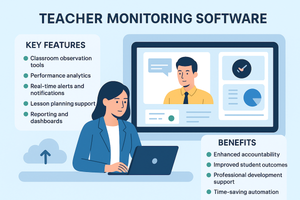
- Classroom observation tools. Track teacher-student interactions, lesson pacing, and engagement levels.
- Performance analytics. Collect data on teaching effectiveness, attendance, and student progress.
- Real-time alerts and notifications. Notify administrators or teachers about disruptions, low participation, or deadlines.
- Lesson planning support. Tools to help teachers plan activities, align with curricula, and integrate multimedia resources.
- Reporting and dashboards. Visualize performance metrics, trends, and areas that need improvement.
- Integration with Learning Management Systems (LMS). Sync teaching performance with student data for comprehensive insights.
These features help schools maintain high teaching standards, improve learning outcomes, and save time on administrative work.
Benefits of Using Teacher Monitoring Software
Using teacher monitoring software offers a range of advantages for both educators and students:
- Enhanced accountability. Administrators can track lesson effectiveness and ensure teachers meet performance standards.
- Improved student outcomes. By analyzing teaching strategies and engagement levels, schools can implement targeted interventions.
- Professional development support. Data-driven insights allow teachers to identify areas for improvement and focus on skill-building.
- Time-saving automation. Routine tasks like attendance tracking, progress reporting, and documentation become faster and more accurate.
- Consistency across classrooms. Schools can ensure that all students receive a high-quality and standardized educational experience.
- Remote monitoring capability. Useful for online or hybrid classrooms, where direct observation is challenging.
How Schools Implement Teacher Monitoring Software
Implementing teacher monitoring software involves several key steps:
- Needs assessment. Identify the school’s objectives and what data or insights are most valuable.
- Choosing the right software. Evaluate features, ease of use, reporting options, and integration with existing systems.
- Installation and configuration. Set up accounts for teachers, administrators, and IT support.
- Training. Educators and staff learn how to use the software effectively.
- Monitoring and analysis. Collect data, generate reports, and adjust teaching strategies based on insights.
- Continuous improvement. Use feedback loops to refine classroom practices, lesson planning, and professional development programs.
Conclusion
Teacher monitoring software is transforming modern education by providing schools with the tools to evaluate and enhance teaching performance. By offering real-time insights, performance analytics, and workflow automation, these solutions improve accountability, save time, and ultimately lead to better student outcomes. As digital classrooms become the norm, teacher monitoring software is becoming an essential part of any school’s strategy to deliver high-quality education consistently.